

Building your own online course platform offers a level of control and flexibility that third-party marketplaces rarely provide. Marketplaces like Udemy or Skillshare come with built-in audiences but impose significant constraints on pricing, branding, and customer relationships.
Why build your own platform?
- Full ownership: You control course pricing, marketing strategies, and user data.
- Brand authority: Your platform reflects your unique identity without competing for attention alongside unrelated courses.
- Long-term scalability: Avoid sudden policy changes or commission hikes imposed by marketplaces.
- Direct customer engagement: Build lasting relationships with your learners rather than relying on an intermediary.
Creating a Learning Management System (LMS) tailored to your needs allows you to craft a seamless learning experience that aligns with your educational philosophy and business goals. This approach supports more sustainable growth in your online learning business.
Maatos exemplifies this philosophy as a creator-owned platform designed specifically for instructors, coaches, consultants, and educators who want full control over their online courses. It is not a marketplace or generic course builder but a professional-grade system built on WordPress that emphasizes ownership, scalability, and integration flexibility.
If you’re interested in understanding how to create your own online course, this guide will walk you through the essential components and considerations involved in creating your custom LMS from scratch. For those who prefer a more hands-off approach, Maatos also offers done-for-you services which can significantly simplify the process.
Whether you need assistance with growing your site or are interested in exploring these options further, please feel free to contact us. Additionally, if you’re looking for more insights into how online courses education and course platforms are developing at a fast pace, be sure to check out our blog, where we also give tips for your online course.
In the rapidly evolving world of education, incorporating AI tools like ChatGPT can significantly enhance the course creation process. These smart assistants help generate ideas, organize lessons, and even create content. If you’re interested in leveraging such technology, consider exploring these 20 useful ChatGPT prompts to build your own course.
Furthermore, there are also specific AI workflows for course creators that can help streamline the process of creating online courses today. These workflows can assist in speeding up content generation and lesson planning while avoiding the common challenge of producing generic AI content.
Understanding the Core Components of an Online Course Platform
Building an online course platform requires a clear understanding of what defines such a system and how its structure supports effective learning. At its core, an online course platform is more than just a website hosting educational videos. It is a specialized environment designed to deliver structured learning experiences, commonly referred to as a Learning Management System (LMS). The difference lies in the LMS’s ability to organize content, track progress, facilitate interaction, and manage assessments within a cohesive framework.
Defining an Online Course Platform and LMS
An online course platform integrates multiple functionalities beyond content delivery:
- Content management: Hosting lectures, reading materials, multimedia.
- User engagement: Supporting discussions, collaboration, and feedback.
- Assessment tools: Quizzes, assignments, grading systems.
- Business operations: Payment processing, access control, reporting.
While an LMS specifically focuses on the learning delivery aspects—tracking learner progress, managing roles (instructors vs students), and administering assessments—it’s essential to understand whether you need a content management system (CMS) or an LMS. When these elements converge with payment gateways and marketing tools, the system qualifies as a full-fledged course platform architecture.
To create such a platform effectively, one might consider using services like Maatos, which provides robust solutions for creating custom course websites. They offer comprehensive resources that can greatly enhance your understanding of online teaching, providing essential insights into delivering educational content effectively in today’s digital landscape. However, it’s crucial to avoid common pitfalls such as the course platform mistake that kills sales, which often stems from not fully understanding the target audience for the online courses being created.
Core Components of Effective Online Learning Environments
A successful platform includes several indispensable components that work together to create a seamless educational experience:
- Lectures: These are the foundational instructional units. They often combine video lessons with supplementary resources such as slides or transcripts. High-quality production matters here but must be balanced with scalability and ease of update. As we move into 2026, a significant shift is expected towards micro-lessons rather than long videos, driven by changing learner habits and technological advancements.
- Discussions: Forums or comment sections enable peer-to-peer interaction and instructor engagement. This social dimension improves retention by fostering community and clarifying doubts.
- Assignments: Practical exercises or projects allow learners to apply concepts concretely. Assignments can be automatically graded or require manual review depending on complexity.
- Assessments: Quizzes and tests measure comprehension at intervals throughout the course. They provide feedback loops for both learners and instructors about progress toward learning objectives.
Structured Curriculum: The Backbone of Learning Success
The structure underlying your course platform must enforce curriculum structure. This means organizing lessons into logical modules aligned with clear learning objectives. Without this structure:
- Learners risk confusion due to incoherent or fragmented content.
- Tracking progress becomes difficult for both users and administrators.
- Measuring outcomes against goals grows unreliable.
Each lesson should build upon prior knowledge, guiding students through incremental skill acquisition or conceptual development. This logical flow supports motivation by providing visible milestones and manageable challenges.
To ensure that students don’t just start but also finish your course, it’s essential to design a course outline that encourages completion. This includes elements like designing a capstone project for an online course which can showcase real-world skills and boost career readiness.
A deep understanding of these fundamentals equips creators to design platforms that are not only technically sound but pedagogically effective. Additionally, staying informed about the future trends in online course design can provide valuable insights for continuous improvement and adaptation in this rapidly evolving educational landscape.
Incorporating Learning Theories for Enhanced Effectiveness
To further enhance the effectiveness of online education, it’s essential to incorporate insights from established learning theories. Understanding how people learn, such as the four key learning theories, can significantly improve course design and delivery, making the learning experience more engaging and effective for students.
Moreover, choosing the right course delivery method is crucial for online learning success. Whether you opt for a drip, cohort, or self-paced structure can significantly influence learner engagement, completion rates, and overall satisfaction.
Finally, it’s vital to define clear learning outcomes for your online course. Writing clear, measurable learning outcomes can boost online course success and student engagement with practical tips.
Additionally, it’s important to consider the principles of andragogy, especially when designing courses aimed at adult learners. By applying adult learning principles to online courses, we can achieve better engagement, flexibility, and real-world skill development.
Benefits of Owning Your Course Platform
Understanding the differences between platform ownership and marketplaces is crucial for course creators who want long-term growth and control. Marketplaces like Udemy and Skillshare are convenient and provide immediate access to an audience, but they have significant limitations that can affect scalability and profitability in the long run.
Limitations of Marketplaces
- Pricing Control: Marketplaces dictate pricing structures, often forcing creators to accept discounts or promotions. This restricts your ability to position your courses according to their true value or market demand.
- Audience Ownership: The marketplace controls the customer relationship, meaning you lack direct access to your students’ data for marketing or engagement beyond the platform.
- Commission Fees: Platforms take a sizable cut from each sale, sometimes exceeding 30%, which reduces your revenue share substantially.
- Visibility Dependency: Algorithms control course visibility; changes can drastically affect enrollments without warning.
These factors combined reduce strategic flexibility and make it challenging to build a brand identity distinct from the marketplace’s ecosystem.
Advantages of Owning Your Platform
Owning your course platform mitigates these constraints by granting:
- Full Branding Control: With custom branding on your course website, you can customize every aspect of user experience—domain, design, messaging—to create a professional and cohesive brand presence that resonates with your audience.
- Data Ownership: Direct access to learner data enables personalized marketing, improved support, and insights into student behavior that inform course improvements and business decisions.
- Pricing Flexibility: Set prices independently without forced discounts or promotions imposed by third parties. You can tailor pricing models to suit your business goals, whether that means premium offerings or tiered memberships. For instance, platforms like Maatos offer scalable architectures designed for long-term course businesses rather than one-off launches, enabling sustainable growth without sacrificing control over aspects like pricing. Understanding course pricing psychology can also significantly enhance revenue generation.
- Customer Relationship Management: Build meaningful relationships directly with students through integrated CRM tools, newsletters, and community features.
Moreover, there are numerous long-term benefits associated with owning your course website, such as enhanced stability and the ability to adapt quickly to market changes.
Risks of Vendor Lock-In on Third-Party Platforms
Relying heavily on marketplaces exposes creators to vendor lock-in risks:
“Vendor lock-in” refers to the dependency on a provider’s ecosystem, making it difficult or costly to switch platforms later.
Marketplaces can alter terms abruptly—commission rates may increase, payment schedules can change, or content guidelines might tighten. These shifts jeopardize revenue streams and force creators into reactive strategies rather than proactive growth planning. Additionally, migrating courses off a platform is often complex due to proprietary systems or content restrictions.
Owning your platform removes these risks by placing strategic decisions in your hands. You control not only how courses are delivered but also how they evolve over time in response to market conditions or learner needs. This includes the ability to stop paying platform fees that are often imposed by third-party services facilitating online selling and content distribution.
Designing Your Online Course Platform Architecture for Scalability
Building an online course platform requires a deliberate architecture design that prioritizes scalability and adaptability. The goal shifts from launching a single course or short-term project to creating a sustainable infrastructure capable of supporting growing user bases, evolving content, and expanding revenue streams.
Principles of Scalable Course Platform Architecture Design
1. Modularity
Structure the platform into discrete, interchangeable components such as user management, content delivery, assessments, and payment processing. This approach facilitates incremental enhancements and easier troubleshooting.
2. Performance Optimization
Anticipate high concurrency levels by optimizing server response times, caching strategies, and database queries. Scalability is not only about adding resources but also about efficient resource utilization.
3. Data Ownership and Portability
Design the system so that all learner data, course content, and transaction records remain under your control. Avoid architectures that lock data into proprietary silos, which limit flexibility for future migration or integration.
4. Security and Compliance
Integrate security best practices from the outset—encryption, access controls, GDPR compliance—to protect both your business and learners as the platform grows. It’s crucial to consider the security essentials for course websites in this phase, as protecting these platforms becomes increasingly important with the rise of online education.
WordPress as a Foundation for Extensible LMS Development Strategy
WordPress offers a compelling balance between ease of use and extensibility for course platform developers who need customization without reinventing core functionality. Platforms like Maatos leverage WordPress’s ecosystem to build scalable learning businesses with these advantages:
1. Plugin Ecosystem
Thousands of plugins enable adding features such as quizzes, forums, membership management, email marketing automation, analytics tracking, and more. This rich ecosystem accelerates development while supporting diverse business models.
2. Custom Themes and Page Builders
Tailor branding and user experience precisely to your audience without compromising performance or responsiveness across devices.
3. Integration Capabilities
Connect seamlessly with payment gateways (Stripe, Mollie), CRM systems, webinar tools, and external APIs through standardized interfaces. These integrations are essential for scaling customer acquisition and support workflows.
4. Open Source Flexibility
Unlike closed SaaS solutions, WordPress-based platforms allow direct access to codebases for deep customization or troubleshooting without vendor constraints—critical for adapting to emerging needs over time. In fact, many creators believe that coding skills are necessary to build a course website. However, platforms like Maatos demonstrate that it’s possible to build a professional platform for sharing educational content without extensive coding knowledge.
To ensure that your online course platform can handle growth effectively over time, it’s essential to adopt strategies that focus on scalability right from the start. This includes understanding how to scale your course website over time, which could involve handling more users while boosting performance and delivering seamless learning experiences using platforms like Maatos.
Strategic Considerations When You Build Online Course Platform
- Plan Beyond MVP
- Resist building solely for an initial launch; anticipate future courses, features like cohort-based learning or certifications, and new monetization paths from day one.
- Prioritize User Roles and Permissions Architecture
- A robust role system supports instructors, administrators, learners, content reviewers each with appropriate access controls—foundational for professional operations at scale.
- Design Data Flows With Analytics in Mind
- Capturing granular learner progress and engagement metrics enables continuous improvement on instructional design and marketing effectiveness.
- Optimize Mobile Access Early
- Mobile-first considerations ensure the platform remains accessible globally as mobile devices dominate internet usage patterns.
- Automate Key Workflows Where Possible
- Automations around enrollment notifications, certificate issuing, payment confirmations reduce operational overhead as volume grows.
- Embrace Composable Commerce
- By leveraging composable commerce
Key Features That Make an Online Learning Platform Successful
When building an online course platform, selecting the right LMS features directly impacts learner engagement, retention, and ultimately, business sustainability. Functionality must go beyond basic content delivery to create a rich educational experience that scales with your audience’s needs.
Engaging Multimedia Content
Static text and slides alone rarely suffice in today’s competitive e-learning environment. Incorporating diverse multimedia elements enhances comprehension and keeps learners motivated:
- Video lectures: Central to most courses, videos should support multiple resolutions and captions for accessibility. Hosting options range from self-hosted solutions to integrations with platforms like Vimeo or YouTube (private mode). If you’re interested in creating your own course videos, you can find helpful tips on how to make course videos.
- Interactive exercises: Drag-and-drop activities, matching games, and simulations transform passive consumption into active learning.
- Quizzes and assessments: Formative quizzes after lessons help reinforce concepts while summative assessments measure mastery for certifications or progress tracking.
- Downloadable resources: PDFs, worksheets, templates, and code snippets provide supplementary value and enable offline study.
Each content type requires specific LMS support: embedding tools, responsive players, question banks, and progress tracking must work seamlessly without compromising performance.
Visual Design Basics for Course Websites
In addition to functional features, the visual appeal of your online course platform plays a crucial role in user engagement. Implementing visual design basics for course websites can significantly enhance the overall user experience. This involves creating engaging, branded course websites with smart visual design tools that require no coding knowledge. Such improvements can boost learner interaction and make the learning process more enjoyable and effective.
A key aspect of this is understanding how to design a homepage for a course website. A well-designed homepage attracts students, boosts engagement, and showcases your brand with proven design strategies. To achieve this, it’s essential to incorporate visual design principles for online courses which can further enhance online course engagement by making eLearning clear and accessible.
Reliable Payment Systems Supporting Multiple Business Models
Monetization flexibility is essential to accommodate diverse strategies as your platform matures. Understanding how to sell your online course can greatly enhance your selling strategy:
- One-time purchases: Traditional course sales granting lifetime access. Often paired with tiered pricing for bundled content or premium add-ons.
- Subscription models: Recurring revenue streams where users pay monthly or annually for access to a library of courses or continuous updates.
- Freemium access: Offering free introductory modules with paid upgrades encourages trial and conversion.
- Corporate licensing: Bulk enrollments for enterprises requiring advanced user management and reporting.
- Offline workshops: As the education landscape evolves rapidly, many creators are blending online and offline learning experiences. This hybrid approach not only responds to diverse learner preferences but also maximizes engagement. You can learn more about how to sell offline workshops from your course website here.
Payment gateways integrated into the LMS must handle currencies, taxes (VAT/GST), refunds, discounts/coupons, and comply with regional regulations. Popular providers include Stripe and Mollie due to their flexibility and global reach. Transparent transaction flows reduce cart abandonment—a critical metric in course sales funnels. To minimize this issue further, implementing some course checkout optimization strategies could be beneficial. These strategies focus on refining the purchasing process to enhance user experience and ultimately increase course sales.
Mobile-Friendly Design and Multilingual Support
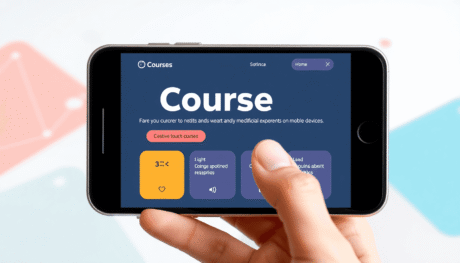
Learners increasingly access courses on smartphones and tablets rather than desktop computers. Therefore, implementing a mobile-friendly design for course websites is essential. Your platform must deliver a consistent experience across devices without sacrificing functionality:
- Responsive UI adapts layouts for readability on small screens.
- Touch-friendly navigation accommodates gestures native to mobile environments.
- Offline playback options cater to users with limited connectivity.
Expanding reach internationally demands built-in multilingual capabilities:
- Interface localization allows learners to navigate menus in their preferred language.
- Course content translation ensures inclusivity but requires workflow support for versioning and updates.
- Language-specific SEO optimizations attract diverse audiences organically.
Platforms like Maatos leverage WordPress’s extensive ecosystem to implement these features through plugins and custom development — balancing robustness with ease of maintenance.
A successful online learning platform integrates these core features thoughtfully rather than superficially layering them. Each element ties back to creating scalable systems that serve instructors’ goals while providing learners with engaging, accessible education tailored for modern consumption patterns.
Choosing a Profitable Business Model for Monetization Strategies in Your Online Course Platform
Selecting an effective monetization strategy is fundamental when building an online course platform. The choice directly influences revenue stability, user acquisition, and long-term customer relationships. Understanding online course monetization models helps to align business goals with learner expectations.
One-Time Purchase with Lifetime Access
This traditional model allows learners to pay a single fee for unlimited access to course content. Its appeal lies in simplicity and clarity:
- Predictable pricing for customers without recurring charges.
- Immediate revenue recognition upon purchase.
- Suitable for evergreen courses that do not require frequent updates.
Challenges include the need to continuously attract new customers to maintain cash flow and the risk of outdated content if ongoing updates are neglected. This model works well when courses deliver comprehensive knowledge or certification that remains relevant over time.
Subscription LMS Model
Subscription-based access has gained traction by offering ongoing value through continuous learning opportunities:
- Enables recurring revenue streams, improving financial predictability.
- Encourages learner retention by providing fresh content regularly.
- Supports tiered offerings, such as basic versus premium access levels.
Adopting a subscription model requires commitment to content maintenance and community engagement to justify recurring payments. Platforms must invest in analytics and user feedback loops to refine offerings continuously. It’s also important to consider whether a subscription or bundle model would be more beneficial for your specific situation.
The subscription LMS model suits creators planning long-term relationships with their audience, often combining multiple courses, coaching, or exclusive resources under one umbrella.
Freemium Courses
Freemium strategies combine free introductory content with paid upgrades or advanced modules:
- Attracts a broad initial audience by lowering entry barriers.
- Demonstrates course quality before purchase commitment.
- Can upsell certifications, personalized coaching, or additional resources.
This approach requires careful balance; free content must be valuable enough to engage users but leave room for compelling paid enhancements. Conversion rates depend on clear differentiation between free and premium offerings.
Course Product Ladder
To further enhance monetization strategies, it’s beneficial to turn your course into a product ladder. A product ladder, also known as a value ladder, is a strategic model designed to organize your offerings by increasing value and price. This framework plays a crucial role in course monetization, allowing you to maximize revenue potential.
Careful consideration of these models ensures alignment with your platform’s scalability goals and target market preferences. Hybrid approaches may blend one-time purchases with subscriptions or freemium elements to diversify income streams and mitigate risks associated with any single method.
The Development Journey: Building Your Custom LMS from Concept to Launch
Developing a custom LMS requires structured planning and execution to align technology, pedagogy, and business goals. The LMS development timeline typically spans several phases, each critical for ensuring the platform meets creator needs and learner expectations.
Key Phases in Custom LMS Development
1. Market Research and Needs Analysis
- Identify target audience requirements, competitor platforms, and market gaps.
- Understand specific features needed such as certification, cohort management, or multilingual support. This LMS requirements analysis will provide valuable insights.
- Evaluate technical constraints and integration opportunities with existing tools like payment gateways or email marketing systems.
2. Curriculum Design and Content Strategy
- Structure courses with clear learning objectives aligned to learner outcomes.
- Develop lesson flow that logically progresses from foundational concepts to advanced topics.
- Plan assessment methods—quizzes, assignments, projects—to reinforce knowledge retention.
- Consider modular content formats for easier updates and reusability across courses.
3. Technical Architecture and Build-Out
- Choose a flexible technology stack; WordPress-based solutions offer extensibility with plugins and integrations while maintaining data ownership.
- Prioritize scalability to accommodate course catalog growth and increasing user numbers without performance degradation.
- Implement role-based access controls (instructors, learners, admins) for security and workflow management.
- Integrate reliable payment processing supporting diverse business models (one-time purchase, subscriptions).
4. User Interface (UI) & User Experience (UX) Design
- Design intuitive navigation paths minimizing friction points from course discovery through completion tracking.
- Optimize for mobile responsiveness ensuring learners can access content anytime on any device.
- Incorporate accessibility standards to broaden inclusivity.
5. Content Production Quality
- Invest in high-quality audio and video production; poor sound or visual fidelity undermines learner engagement regardless of content quality.
- Use professional editing to remove distractions like background noise or inconsistent lighting.
- Leverage interactive multimedia elements—such as embedded quizzes or simulations—to enhance active learning.
6. Testing and Feedback Loops
- Conduct usability testing with real users to identify pain points in navigation or course delivery.
- Iterate on feedback by refining interface elements, fixing bugs, or adjusting instructional design components before launch.
7. Launch Preparation
This is where the lean course MVP approach can be beneficial. It allows you to build your course in just 7 days and launch it within 14 days by focusing on core essentials.
However, before jumping into the development phase, it’s
Advantages of Custom LMS Development
Custom LMS development offers several advantages over off-the-shelf solutions:
- Tailored feature set that precisely matches the educational model rather than compromising with generic solutions.
- Full control over branding, user data, pricing mechanisms, and platform roadmap.
- Flexibility to evolve the platform alongside business growth without vendor lock-in risks.
- Ability to integrate seamlessly with external marketing tools or CRM systems enhancing operational efficiency.
Technical Considerations in LMS Creation
When creating an LMS, it’s important to keep the following technical considerations in mind:
- A robust hosting infrastructure is essential to handle peak loads during course launches or live sessions.
- Security protocols must safeguard intellectual property while protecting user privacy under regulations such as GDPR.
Marketing Your Online Course Platform for Growth and Success After Launching It!
Sustaining growth in an online course platform demands more than a strong launch; it requires ongoing strategies that foster student engagement and continually attract new learners. Retention and expansion hinge on dynamic content management and proactive communication.
Continuous Content Updates and Student Support
1. Fresh Content Releases
Regularly updating course materials keeps the curriculum relevant and signals to students that the platform is actively maintained. This can include adding new modules, updated case studies, or supplementary resources aligned with learner feedback and industry trends. For insights on effective course website maintenance, which includes what aspects of a course website should be kept updated, refer to this resource.
2. Active Student Support
Providing timely, personalized support enhances learner satisfaction. Options range from discussion forums and live Q&A sessions to dedicated support teams accessible via chat or email. However, it’s crucial to streamline these support processes as high volumes of requests can overwhelm teams and inflate operational costs. Implementing strategies on how to reduce support tickets with better UX can significantly improve this situation. Robust support mechanisms reduce churn by addressing barriers before they escalate.
3. Community Building
Facilitating peer-to-peer interaction encourages knowledge sharing and accountability. Integrating community features such as groups or social feeds within your platform creates a sense of belonging that motivates continued participation. Deciding whether or not to build a community around your online course is a crucial decision that can greatly impact the success and sustainability of your educational offerings. For guidance on making this decision, refer to this practical decision guide.
Strategic Marketing Approaches for Online Course Platforms
Effective promotion blends diverse channels tailored to your target audience’s behaviors and preferences. The goal is sustained visibility combined with authentic engagement.
1. Social Media Promotion
Leverage platforms where your audience spends time—LinkedIn for professionals, Instagram for creatives, Facebook groups for niche communities.
Share value-driven content: snippets of lessons, student testimonials, behind-the-scenes production insights.
Use paid advertising strategically to amplify reach around special events like course launches or webinars.
2. Email Campaigns
Build segmented mailing lists based on interests, engagement levels, or purchase history.
Deliver drip campaigns that nurture leads by providing free content previews, success stories, or invitations to webinars. For innovative email marketing ideas, consider incorporating strategies that stand out in crowded inboxes and capture attention effectively. It’s also crucial to integrate email marketing without breaking deliverability to ensure your marketing emails reach the intended audience effectively.
Re-engage dormant users with targeted offers or updates highlighting new course features.
3. Webinars as Lead Magnets
Host live sessions demonstrating course value through expert panels, sample teachings, or interactive workshops. These webinars not only serve as a platform for sharing knowledge but also act as powerful lead magnets. If you’re wondering how to get started with this approach, check out this comprehensive guide on how to organize your first webinar for free.
Use webinars to answer questions in real-time, building trust and lowering enrollment friction.
Record sessions for reuse as evergreen content accessible to prospects anytime.
4. Influencer Collaborations
Partner with respected figures in relevant niches who can authentically promote your platform.
Co-create content such as guest lectures, interviews, or joint challenges that introduce your courses to their followers.
Align collaborations with specific campaigns to maximize impact rather than one-off mentions.
5. UTM Tracking for Course Sales
To further enhance your marketing efforts, understanding UTM tracking is essential. This involves adding specific tags—called UTM parameters—to your URLs. These tags help you track the effectiveness of your online marketing campaigns by providing detailed insights into how users interact with your course sales pages.
Student Engagement Tactics Beyond Marketing
Engagement extends into the learning experience itself. Techniques worth integrating include:
- Gamification Elements: Badges, progress bars, leaderboards stimulate motivation through visible achievements and friendly competition.
- Personalized Learning Paths: Adaptive content delivery based on learner progress ensures relevance and prevents disengagement due to mismatch with skill level.
- Regular Feedback Loops: Surveys and quizzes not only assess comprehension but also provide instructors insights into what works or needs adjustment.
Marketing an online course platform must balance acquisition efforts with deepening the relationship existing students have with your brand. Active maintenance of this balance drives both immediate enrollments and long-term business sustainability.
Legal Compliance Considerations When Creating Digital Courses on Your Own Platform
Building and operating an online course platform involves dealing with a complex set of laws. It’s important to follow copyright laws, trademark protections, and tax regulations to protect your content, maintain your brand reputation, and avoid expensive fines.
Copyright Compliance in E-Learning
Copyright law determines who owns creative works and how they can be used. This includes the digital content you create for your courses. If you don’t comply with copyright law, you could face legal action that threatens your business.
Here are some key things to keep in mind:
Ownership of Content
You must either own or have explicit licenses for all materials used in your courses—this includes videos, images, text, audio, and software components. It also applies to any third-party content integrated into your lessons or marketing materials. Be cautious when relying on fair use, as it is interpreted narrowly by courts in commercial e-learning situations.
Licensing Agreements
When using licensed resources, make sure to secure clear terms that specify how you can use them (such as distribution rights or modification allowances). Popular licenses like Creative Commons can vary widely, so it’s important to understand their conditions in order to avoid unintentional violations.
User-Generated Content
If your platform allows learners to upload their own work (such as assignments or forum posts), establish terms of service that clarify who owns the intellectual property and what rights you have to use it. This will help prevent disputes over control of published learner contributions.
Digital Rights Management (DRM)
Implement technical measures to protect your original course materials from being copied or redistributed without authorization. While DRM cannot guarantee complete protection against piracy, it can deter casual infringement by making it more difficult for others to access your content without permission.
“Successful online educators treat copyright compliance not as a bureaucratic hurdle but as a critical foundation for sustainable content ownership.”
Trademark Protection for Branding Your Platform
Your brand—name, logo, slogans—represents the identity and reputation of your course business. Protecting these elements through trademark registration ensures exclusive rights and prevents misuse by others.
Here are some considerations:
Choosing Distinctive Marks
Select brand elements that are unique and not generic or descriptive to increase the likelihood of successful trademark registration.
Registration Process
Register trademarks with relevant authorities in the jurisdictions where you operate or plan to expand. International treaties allow for streamlined filings but require strategic planning based on market priorities.
Enforcing Your Trademark
Monitor for unauthorized use or imitation by competitors or infringers online. Prompt enforcement actions preserve your brand’s strength and avoid dilution.
Using Trademarks Properly
Display trademark symbols (™ or ®) consistently on course materials, websites, and marketing collateral to signal ownership and legal protection status.
Additional Legal Areas Worth Attention
Although copyright and trademarks are central to digital course compliance, understanding related obligations enhances operational resilience:
- Tax Regulations for Online Courses: Tax treatment varies by country and region; some jurisdictions impose VAT/GST on digital goods while others have specific e-learning exemptions. For instance, if you’re operating in Sweden, it’s crucial to understand the VAT regulations for online courses, which can impact your pricing strategy. Moreover, when selling digital courses online, it’s essential to comprehend how to handle VAT/sales tax as these consumption taxes apply to goods and services including online courses. Complying with local tax laws requires integrating appropriate invoicing systems and maintaining accurate sales records.
- Privacy Laws: Collecting learner data triggers responsibilities under GDPR, CCPA, or similar regulations. Transparent privacy policies and secure data handling practices build trust and avoid fines.
- Accessibility Standards: Ensuring courses meet accessibility guidelines (WCAG) broadens potential audience reach and fulfills legal mandates in many countries.
Adhering to these legal frameworks demands consistent attention as your platform evolves. Consulting specialized legal counsel familiar with e-learning further reduces risks linked to intellectual property disputes or regulatory non-compliance. Platforms like Maatos provide tools that support these requirements but do not replace professional advice tailored to your specific business context.
Building a Team for Your Online Course Business Depending on Its Scale
Creating and maintaining an online course platform requires a range of skills that extend beyond content creation. The structure and size of your team will largely depend on the scale of your operation, your business goals, and the complexity of your course offerings. Understanding LMS team roles and content creation staffing needs is critical when you decide to build an online course platform that can grow sustainably.
Solo Operation: Advantages and Limitations
Many educators and creators begin as solo operators. Running your platform single-handedly offers:
- Complete control over content, branding, and customer interactions.
- Lower overhead costs by avoiding payroll expenses.
- Direct insight into every aspect of your course business.
However, this model faces constraints:
- Limited bandwidth for producing high-quality multimedia content consistently.
- Technical challenges related to platform maintenance, payment integrations, and troubleshooting.
- Marketing efforts may be sporadic or less effective without dedicated expertise.
Solo operators benefit from platforms designed with usability in mind, such as WordPress-based solutions paired with flexible LMS plugins that minimize technical complexity.
Expanding Beyond Solo: When to Build a Team
Growth triggers the need for specialized roles focused on different facets of the business:
1. Content Production Team
High-quality courses demand more than just good ideas. A content team might include:
- Instructional Designers who structure curriculum aligning with learning objectives.
- Multimedia Specialists for video production, editing, animation, and interactive resources.
- Subject Matter Experts (SMEs) who provide depth and credibility in niche topics.
This division allows consistent output while maintaining educational rigor.
2. Technical Support and Development
Maintaining a scalable online course platform involves ongoing technical work:
- Developers/Engineers skilled in WordPress customization, plugin integration, and performance optimization.
- System Administrators managing hosting environments, backups, security protocols.
- Support Staff addressing user issues promptly to preserve learner satisfaction.
Choosing extensible platforms like Maatos facilitates collaboration between technical teams by leveraging familiar ecosystems and standardized workflows. Moreover, understanding the skills you need to build a course website is essential for effective team building in this phase.
3. Marketing and Customer Acquisition
Marketing specialists focus on growing your audience through data-driven strategies:
- Digital Marketers managing SEO, paid advertising campaigns, email marketing automation.
- Community Managers fostering engagement via social media groups, webinars, forums.
- Sales Professionals handling corporate partnerships or B2B licensing deals.
These roles require analytical skills combined with creative outreach to sustain enrollment growth.
Structuring Teams Based on Business Models
Your monetization strategy influences staffing needs:
- Subscription-based models necessitate ongoing content updates and support capacity.
- One-time purchase courses may require heightened marketing around launch cadence but fewer continuous content demands.
- Hybrid models combining coaching or community elements call for additional facilitation roles.
Modular team structures aligned with these models promote operational efficiency without overspending early on.
Outsourcing vs In-House Staffing
Not all functions require permanent hires; outsourcing can provide flexibility:
| Function | Pros | Cons |
| Content Creation | Access to specialized talent; scalability | Less control over timing/quality |
| Technical Support | Rapid issue resolution expertise | Potential knowledge gaps |
| Marketing | Campaign expertise; fresh perspectives | Higher cost; coordination needed |
Balancing in-house versus outsourced resources depends on budget constraints and strategic priorities.
Building an effective LMS team is not merely about filling positions but crafting a cohesive unit that supports long-term growth while preserving quality standards. Thoughtful delegation paired with scalable infrastructure ensures your online course platform can evolve without compromising control or learner experience.
Conclusion
Building an online course platform from scratch requires careful planning, technical knowledge, and a long-term vision. Choosing to have your own platform instead of relying on third-party marketplaces gives you full control over pricing, branding, data, and customer relationships—key elements for sustainable growth and professional credibility.
Platforms like Maatos show how using the WordPress ecosystem can empower creators with:
- Complete ownership of their content and user data
- Flexibility to customize and scale as the business evolves
- Integration capabilities that support diverse monetization models
Entrepreneurs serious about developing a robust, scalable learning business benefit from choosing a solution designed with ownership and extensibility at its core. Maatos offers a path to build an online course platform tailored to your unique needs without sacrificing control or professionalism.
Consider exploring Maatos.com to evaluate how it aligns with your goals. Signing up enables access to tools that facilitate launching and growing your courses under your own brand—free from the constraints of generic SaaS or restrictive marketplaces.
Taking ownership of your educational content starts with selecting the right platform foundation. The right choice sets the stage for building not just courses, but a lasting learning business.
FAQs (Frequently Asked Questions)
Why should I build my own online course platform instead of using third-party marketplaces?
Building your own online course platform gives you full control over branding, pricing, and audience engagement, unlike third-party marketplaces such as Udemy or Skillshare which impose restrictions and commissions. Owning your platform also protects you from vendor lock-in and sudden pricing changes, enabling sustainable growth for your online learning business.
What are the core components of an effective online course platform or LMS?
An effective online course platform or Learning Management System (LMS) includes structured lectures, interactive discussions, assignments, and assessments. It should provide a clear curriculum with defined learning objectives and a logical lesson flow to create an engaging and organized online learning environment.
How can I design my online course platform architecture for scalability?
Designing for scalability involves creating a flexible LMS architecture that supports long-term growth rather than just one-off launches. Utilizing WordPress-based extensibility allows integration of various tools and customizations, as demonstrated by platforms like Maatos, ensuring your course platform can evolve with your business needs.
What key features make an online learning platform successful?
Successful online learning platforms incorporate engaging multimedia content such as videos, interactive exercises, and quizzes to boost learner engagement. They also feature reliable payment systems supporting multiple business models (including one-time purchases and subscriptions), mobile-friendly design, and multilingual support to reach wider audiences effectively.
Which monetization strategies are most profitable for an online course platform?
Common profitable monetization strategies include one-time purchase models offering lifetime access, subscription-based LMS models providing recurring revenue, and freemium courses that attract users with free content while offering paid upgrades. Choosing the right model depends on your target audience and business goals.
What legal compliance considerations should I keep in mind when creating digital courses on my own platform?
When creating digital courses, it’s essential to comply with copyright laws related to digital content creation and distribution. Additionally, protecting your brand through trademark registration and understanding tax regulations applicable to online course sales will help ensure your platform operates legally and sustainably.