
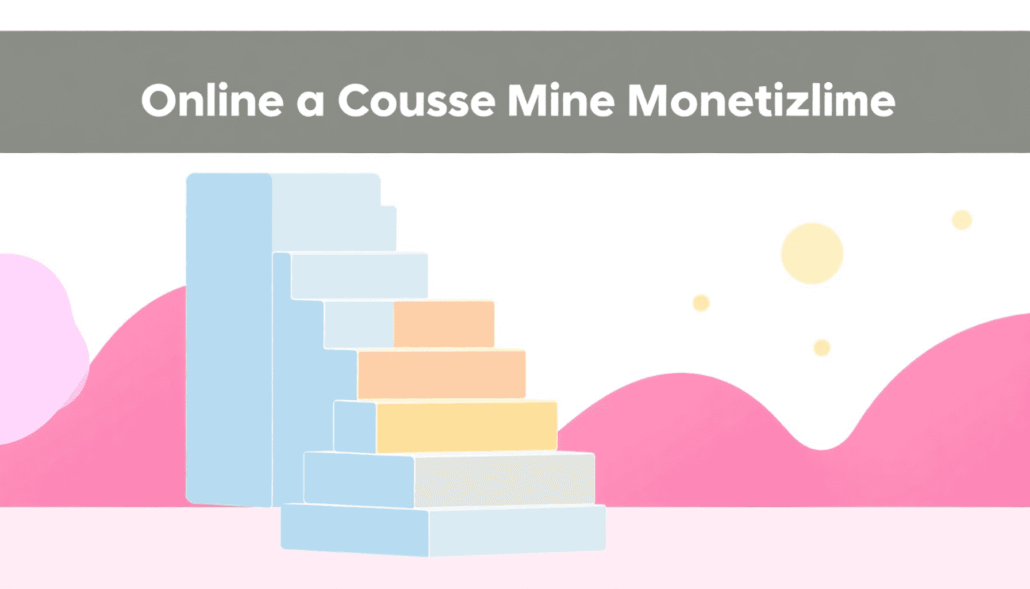
A product ladder, also known as a value ladder, is a strategic model designed to organize your offerings by increasing value and price. This framework plays a crucial role in course monetization, allowing you to engage customers at various levels of commitment and investment. Instead of relying on a single product sale, the product ladder guides learners through a series of offers that gradually build trust, demonstrate value, and deepen engagement.
When you turn your course into a product ladder, you transform it from a standalone digital asset into a structured revenue ecosystem. This approach maximizes income potential by meeting diverse customer needs—whether they prefer free samples, mid-level courses, or premium coaching. The ladder creates multiple opportunities to connect with your audience and increase their lifetime value.
However, it’s important to note that selling online courses can come with its own set of challenges, such as navigating the complexities of the value added tax (VAT) and online courses in the European Union. Understanding these regulations is crucial when you’re implementing your product ladder strategy in different markets.
This article presents a simple map for building your own product ladder tailored to online courses. You will learn how to:
- Define entry points that attract and convert prospects.
- Develop escalating offers that provide more value and justify higher prices.
- Align your course content and services into clear rungs that customers can climb comfortably.
By following this guide, you’ll create a scalable system that not only grows your revenue but also enhances the learner experience. For more information on how to implement these strategies effectively, feel free to contact us or explore our pricing options for tailored services.
Understanding the Product Ladder Concept
A value ladder is a strategic framework designed to guide customers through a carefully structured journey, moving from lower-priced or free offerings toward higher-value products or services. This approach aligns with a clear product pricing strategy that balances customer needs with business goals. The customer journey within this model is intentional: each step offers increasing value and investment, helping buyers build trust and confidence as they engage more deeply.
Key aspects of the product ladder include:
- Guiding progression through value: Starting with accessible offers that require minimal commitment encourages initial interaction. These entry points set the stage for upselling to more comprehensive, higher-priced products that deliver greater benefits.
- Catering to diverse budgets and needs: Different customers have varied willingness and ability to invest in your course content. A product ladder accommodates this by offering multiple price points, ensuring no potential buyer feels excluded. Some may prefer quick wins from free or low-cost resources, while others seek immersive experiences requiring larger investments.
- Enhancing customer experience: By delivering value progressively, you reduce friction in purchasing decisions. Customers feel supported at every stage without being overwhelmed. This builds loyalty and encourages repeat purchases.
Benefits of implementing a product ladder structure in your course offerings:
- Increased sales opportunities: Multiple entry points and upsell paths create chances for customers to buy more than once, boosting overall revenue.
- Improved trust and relationship building: Gradual exposure to your expertise helps establish authority and reliability, making customers more comfortable investing in premium options.
- Segmentation flexibility: Tailor marketing messages and product features to distinct audience segments based on where they are on the ladder.
The product ladder functions not just as a pricing mechanism but as a blueprint for nurturing leads into long-term customers by meeting them exactly where they are in their learning journey. This methodical climb through your offerings ensures customers receive appropriate value at every step, increasing satisfaction and retention.
Why Turn Your Course Into a Product Ladder?
Structuring your course offerings into a product ladder can lead to significant course revenue growth. Businesses implementing this model have seen profits increase by up to 50%. This happens because you create multiple buying opportunities, encouraging customers to ascend gradually from entry-level products to premium offers.
Customers come with diverse motivations. Some seek assistance in understanding new concepts, others want accountability to stay on track, while many desire acceleration to fast-track their learning or results. A product ladder addresses these different needs by offering tailored options at each step:
- Entry-level offers provide accessible help and build initial confidence.
- Mid-tier products add structure and accountability through guided instruction.
- Premium packages deliver personalized support for faster progress.
Such variety improves customer retention. As learners find options that suit their current motivation and budget, they remain engaged longer and are more likely to return for higher-value offerings.
A well-mapped ladder also reduces barriers to purchase. Customers hesitate less when they can start small and experience value before committing to larger investments. This gradual trust-building process strengthens your relationship with learners and increases the likelihood of upsells.
Key benefits include:
- Increased revenue from multiple sales paths instead of a one-time transaction.
- Enhanced customer satisfaction due to personalized progression options.
- Lower risk perception through affordable entry points that demonstrate value early.
Turning your single course into a layered product ecosystem transforms how you interact with your audience, maximizing both their success and your business potential.
Key Elements of a Course Product Ladder
Creating a product ladder for your course involves assembling a clear sequence of offerings that guide customers from initial interest to premium investment. These essential components form the backbone of your value ladder, ensuring each step delivers increasing value and justifies higher prices.
Entry-Level Offer: Freebies and Low-Cost Options
Start with an entry-level offer designed to attract potential customers by providing immediate value without significant financial commitment. Examples include:
- Downloadable PDFs or cheat sheets
- Mini-courses or email series
- Webinars or short video tutorials
These freebies act as lead magnets, building trust and demonstrating your expertise. They lower the barrier to entry, making it easier for prospects to say “yes” the first time. The key is to offer something actionable and relevant that solves a small but meaningful problem.
Mid-Tier Products: Investment with Measurable Results
Progressively higher-value products follow the entry-level offer. These require a larger investment but promise deeper engagement and more substantial outcomes. Typical mid-tier offerings might be:
- Comprehensive online courses with multiple modules
- Group coaching sessions or mastermind programs
- Membership sites with ongoing support and resources
At this stage, customers have already experienced your value and are willing to invest more for enhanced learning or accountability. The focus shifts towards delivering measurable results, helping learners apply knowledge effectively.
Premium Offers: High-Ticket Products Delivering Maximum Value
The highest rung on the ladder contains premium products aimed at committed customers seeking personalized support or accelerated progress. These could include:
- One-on-one coaching or consulting packages
- In-person workshops or retreats
- Advanced certification programs
Premium offers justify their price by providing tailored guidance, exclusive access, or intensive training that significantly impacts the customer’s goals.
Importance of Having At Least Three Rungs
A well-structured product ladder generally includes at least three rungs:
- Lead Magnet/Freebie – Captures attention and builds trust.
- Low-Priced Item – Provides accessible value while generating revenue.
- Premium Offer – Caters to high-investment buyers seeking maximum outcomes.
This structure ensures you engage customers at various financial comfort levels and readiness stages, increasing the likelihood of moving them up the ladder.
Bundles and Packages Tailored for Customer Segments
Offering bundles or packages caters to diverse preferences and segments within your audience. For example:
- Combining several related courses at a discounted rate
- Packaging coaching sessions with digital resources
- Creating specialized tracks targeting different skill levels or interests
Bundles add convenience and perceived value, encouraging larger purchases while addressing specific customer needs. Segmenting your audience enables you to craft offers that resonate deeply, improving conversion rates across all ladder steps.
Turning your course into a product ladder means carefully mapping these elements so each rung builds on the last — guiding customers smoothly from free entry points toward premium investments that deliver significant transformation.
Step-by-Step Guide to Mapping Your Course Product Ladder
Mapping your product ladder requires a clear, stepwise progression that thoughtfully structures your course offerings. This approach guides potential customers smoothly from entry-level engagement to deeper investment, maximizing both trust and revenue.
Step 1: Identify Your Entry-Level Offer (Free or Low-Cost)
This first rung serves as the gateway to your product ladder. Its main goal is to attract attention and build initial trust without demanding a significant financial commitment.
Common examples include:
- Downloadable PDFs or cheat sheets offering quick wins or foundational knowledge.
- Mini-courses that cover a narrow topic in brief, easy-to-digest modules.
- Webinars, which can be organized for free, that introduce your teaching style and expertise while offering valuable knowledge and engaging with your audience in real time.
Why it works: These offers provide immediate value and demonstrate your credibility. Potential customers get a taste of what you deliver, lowering barriers for future purchases.
Step 2: Develop Mid-Tier Products for Deeper Engagement
At this stage, your audience is ready for more comprehensive learning experiences that require a moderate investment but promise measurable results.
Ideal mid-tier products might be:
- Full-length online courses with structured lessons, assignments, and community access.
- Group coaching sessions where participants receive personalized guidance alongside peers.
- Workshops or challenges designed to solve specific problems over days or weeks.
Focus on delivering outcomes that justify the price increase. This tier deepens customer engagement by offering richer content and more interaction.
Step 3: Create High-Ticket Premium Offers for Maximum Value
The top rung caters to highly committed customers seeking personalized support or accelerated progress. These premium offers usually come with higher price tags but deliver substantial transformation.
Examples include:
- One-on-one consulting tailored to individual goals and challenges.
- In-person workshops or retreats providing immersive learning environments.
- Advanced coaching packages combining multiple sessions, accountability check-ins, and exclusive resources.
This level demands significant resources from you but yields the highest revenue per customer. It also solidifies long-term relationships through bespoke value delivery.
Product ladder mapping ensures each course offering fits strategically into this progression. Structuring your course offerings this way addresses different customer readiness levels while creating multiple buying opportunities aligned with their evolving needs.
Addressing Different Customer Motivations and Budgets
To effectively map your course product ladder, you must incorporate customer segmentation that reflects diverse motivations and budget constraints. Not every customer approaches learning with the same needs or financial capacity. Recognizing these differences lets you tailor your offerings in ways that resonate personally, increasing both engagement and conversions.
Understanding Customer Motivations
Customers often fall into distinct groups based on how they prefer to learn and what drives their purchasing decisions:
- Accountability Seekers: These learners value structured environments and regular check-ins. They thrive when someone holds them responsible for progress.
- Self-Paced Learners: Prefer flexibility to consume content on their own schedule without pressure.
- Accelerators: Want rapid results through intensive coaching or personalized support.
- Explorers: Interested in sampling content before committing deeply.
By identifying where potential customers fit among these profiles, you can design rungs on your product ladder that speak directly to their preferences.
Affordability Options and Partial Solutions
Not everyone can immediately invest in premium offers. Offering affordable alternatives lowers barriers to entry while still delivering meaningful value:
- Mini-courses or workshops focusing on specific skills provide a budget-friendly step up from free resources.
- Payment plans break down high-ticket prices into manageable installments.
- Bundled packages offer discounts on grouped products, making higher-value items more accessible.
- Partial solutions like templates, toolkits, or short challenges allow customers to achieve quick wins without full program commitment.
These options serve as bridges between free entry points and premium offers, accommodating various budget levels without alienating price-sensitive buyers.
“Meeting customers where they are financially and motivationally is key to guiding them smoothly up your product ladder.”
Segmenting your audience by motivation and affordability not only expands your reach but builds trust. Each rung becomes an invitation tailored to individual needs rather than a one-size-fits-all pitch.
This approach encourages gradual investment over time, nurturing relationships while maximizing revenue potential across multiple customer segments.
Tools and Platforms to Facilitate Your Product Ladder Workflow
When you turn your course into a product ladder (simple map), choosing the right tools to manage the sales funnel is essential. These tools help you create seamless customer journeys that guide learners through each rung of your ladder without friction.
Popular Course Sales Funnel Tools
1. WooFunnels
A robust WordPress plugin designed specifically for building sales funnels. WooFunnels integrates with WooCommerce, allowing you to craft upsells, downsells, and order bumps that nudge customers toward higher-value offers smoothly. Its drag-and-drop funnel builder simplifies setup, while built-in analytics help track conversion rates at every step.
2. CartFlows
Another popular WordPress-based funnel builder optimized for course creators. CartFlows supports custom checkout pages and one-click upsells, which make progressing up the product ladder easier for customers. It works well with popular page builders like Elementor and Divi, giving you flexibility in design while managing your sales process efficiently.
Alternatives to WooFunnels and CartFlows
If you’re exploring WooFunnels alternatives or CartFlows alternatives, consider these options:
- ClickFunnels: A widely-used standalone platform that offers all-in-one funnel creation, perfect if you want less dependency on WordPress. It includes pre-built templates tailored for online courses and digital products.
- Thrive Architect + Thrive Ultimatum: Thrive Architect provides powerful landing page building capabilities on WordPress, while Thrive Ultimatum adds scarcity marketing tools such as countdown timers to boost conversions on your product ladder steps.
- Leadpages: Focuses on high-converting landing pages with easy integrations to payment gateways and email marketing platforms. Suitable for creating lead magnets or entry-level offers in your ladder.
Maatos: An All-in-One SaaS Platform
For creators seeking a comprehensive solution beyond traditional funnel builders, Maatos stands out as an all-in-one SaaS platform tailored for selling courses alongside other digital products—without charging platform commissions. Key features include:
- Drag-and-Drop Website Builder: Customize your site effortlessly without coding knowledge. Create dedicated pages for each rung of your product ladder, ensuring brand consistency and smooth navigation.
- Integrated Course Management: Upload course content directly within Maatos or bundle courses with ebooks and coaching sessions. This centralized approach simplifies product management across different price points.
- Stripe Payment Integration: Securely accept payments worldwide with a streamlined checkout experience. Supports one-time payments and subscriptions, accommodating various pricing models on your ladder.
- No Platform Commissions: Retain full revenue from course sales and upsells since Maatos does not take a cut from transactions—a significant advantage compared to marketplaces or some funnel platforms.
Choosing Tools Based on Your Needs
Selecting the right tool depends on factors like:
- Your preferred website ecosystem (WordPress vs standalone SaaS)
- Complexity of the product ladder workflows you want to create (simple funnels vs multi-step sequences)
- Budget considerations including setup costs and transaction fees
- Desire for integrated payment processing versus separate setups
Using these tools effectively supports building a clear path for customers—from free entry points through to premium offerings—making it easier to scale your course business using a product ladder strategy.
Best Practices for Optimizing Your Course Product Ladder
Effectively guiding customers through your product ladder requires thoughtful upselling strategies and cross-selling techniques that enhance their experience without causing overwhelm. Here are key practices to optimize the customer journey and maximize conversions:
1. Upsell Gradually and Intuitively
Present upsell offers that naturally follow from the previous purchase or interaction. For example, after a customer completes a low-cost mini-course, suggest a related, more in-depth course or coaching session that builds on what they’ve learned. Avoid pushing too many options at once; focus on one well-timed offer to keep the buyer engaged rather than confused.
2. Use Bundles and Packages to Add Value
Bundles can combine multiple products at a discounted price, encouraging customers to move up the ladder by perceiving greater value. For instance:
- Pair your premium course with exclusive group coaching calls.
- Offer an “accelerator pack” that includes both the mid-tier and high-ticket courses.
Limited-time discounts on bundles create urgency and motivate quicker decisions, while reinforcing the idea of progressing through a structured learning path.
3. Leverage Cross-Selling for Complementary Products
Suggest additional offerings that complement what customers already own. If someone purchases an online course on content marketing, recommend downloadable templates or a related webinar series. This approach increases average order value without pressuring them to jump immediately to higher-priced products.
4. Optimize Customer Journey Through Analytics
Tracking user behavior reveals how customers interact with each rung of your product ladder:
- Monitor which offers convert best.
- Identify drop-off points where prospects lose interest.
- Analyze time spent on different products or pages.
Use these insights to refine messaging, improve product placement, and adjust pricing or package options. Data-driven decisions help you tailor the ladder to meet real customer preferences and boost overall sales performance.
5. Maintain Clear Communication and Transparency
Communicate the benefits of each step clearly so customers understand why upgrading matters for their goals. Use testimonials, case studies, or success stories relevant to each tier to build trust and demonstrate value progression.
Implementing these best practices ensures your product ladder is not just a series of disconnected offers but a seamless path that encourages growth, satisfaction, and repeat purchases throughout your audience’s journey.
Case Study Examples of Successful Course Product Ladders
Exploring practical e-learning case studies helps you visualize how a product ladder can transform course monetization. These examples demonstrate how structuring your offers from entry-level to premium can maximize revenue and boost learner satisfaction.
Example 1: E-book → Group Coaching → One-on-One Consulting
- Entry-Level: A free or low-cost e-book introduces core concepts and builds initial trust with potential customers. This lead magnet delivers immediate value without a high commitment.
- Mid-Tier: Group coaching sessions expand on the e-book content, offering interactive learning and peer support. Participants engage more deeply while investing moderately.
- Premium Tier: Private one-on-one consulting provides personalized guidance tailored to individual needs. This highest-value offer demands a significant investment but accelerates progress dramatically.
This tiered model balances accessibility with exclusivity, giving learners clear pathways to deepen their commitment at a comfortable pace.
Example 2: Mini-Course → Full Online Course → Hybrid In-Person Workshop
- Lead Magnet: A downloadable PDF or webinar acts as an entry point, educating and enticing users.
- Mid-Level: A comprehensive online course delivers structured content, quizzes, and community forums that enhance engagement.
- Top-Tier: An in-person or hybrid workshop combines face-to-face interaction with online materials for immersive learning experiences.
Hybrid events especially appeal to those seeking hands-on practice and networking opportunities. Offering this option as the premium rung increases perceived value and justifies higher pricing.
How These Models Improve Revenue & Satisfaction
These course monetization examples, which include various course pricing models that convert, showcase adaptable strategies that creators can tailor based on audience size, niche, and delivery preferences.
- Multi-level engagement caters to varied budgets and learning preferences, increasing conversion rates.
- Customers climb the ladder as trust builds, reducing friction for larger purchases.
- Each rung serves a specific purpose—whether building awareness, fostering skill development, or delivering tailored support.
- Flexible formats (online-only vs hybrid) meet evolving learner demands without sacrificing quality.
You benefit by providing multiple entry points and upsell opportunities while enhancing the overall learner journey.
How Maatos Can Help You Build and Manage Your Product Ladder
Maatos offers a powerful set of features tailored to creators looking to Turn Your Course Into a Product Ladder (Simple Map) with ease and effectiveness. Its platform benefits extend beyond basic course hosting, enabling you to create a fully branded experience that supports multiple product tiers seamlessly.
Key Features of the Maatos Platform
1. Branded Course Website Builder
Design a professional, visually appealing course website without coding skills. Customize your site to reflect your brand identity, making each rung of your product ladder feel cohesive and trustworthy to customers.
2. Multimedia Lesson Hosting
Upload and organize diverse content types including videos, PDFs, quizzes, and interactive elements. This variety allows you to craft entry-level freebies like downloadable guides as well as premium courses with rich learning materials.
3. Flexible Product Tier Management
Handle multiple offerings—freebies, mid-tier courses, premium coaching packages—all within one ecosystem. Easily set pricing tiers, bundle products, or create subscription plans that encourage customers to move up the ladder at their own pace.
4. Marketing Integrations
Connect with popular email marketing tools and CRM systems to automate follow-ups and nurture leads through personalized campaigns. Use built-in funnel options to guide users smoothly from introductory offers toward higher-value purchases.
5. Robust Analytics Dashboard
Track customer behavior across your product ladder with clear metrics on conversion rates, engagement levels, and revenue per offer. These insights help you identify which rungs need refinement or additional marketing support.
Why Choose Maatos for Your Product Ladder?
Creating a product ladder involves juggling many moving parts—from content delivery to customer relationship management. Maatos simplifies this complexity by providing an all-in-one solution designed specifically for digital educators. Unlike generic platforms that charge commission fees or limit customization, Maatos empowers you with full control over pricing structures and branding.
Getting Started Quickly
For those eager to launch without technical headaches, Maatos also offers done-for-you setup services. This option helps you hit the ground running by professionally mapping out your product ladder based on proven strategies while you focus on creating content.
You can explore these capabilities risk-free through their free trial at Maatos, experiencing firsthand how the platform streamlines the process of building and managing your course product ladder from entry-level offers all the way up to high-ticket programs.
Conclusion
Turning your course into a product ladder unlocks new opportunities for growth and customer engagement. You have a clear framework to:
- Attract potential customers with free or low-cost entry offers
- Deepen relationships through mid-tier products that deliver measurable results
- Provide premium experiences for committed learners seeking personalized support
Mapping your ladder doesn’t need to be complicated. Start small by identifying key offers at each level and expand based on customer feedback and business goals.
Platforms like Maatos simplify this process by offering integrated tools for course hosting, marketing automation, and analytics — empowering you to build and manage your ladder efficiently. Leveraging such technology helps you focus on creating value while maximizing revenue.
Take the first step today: sketch your product ladder using the simple steps outlined here and explore how Maatos can turn that map into a profitable reality.