

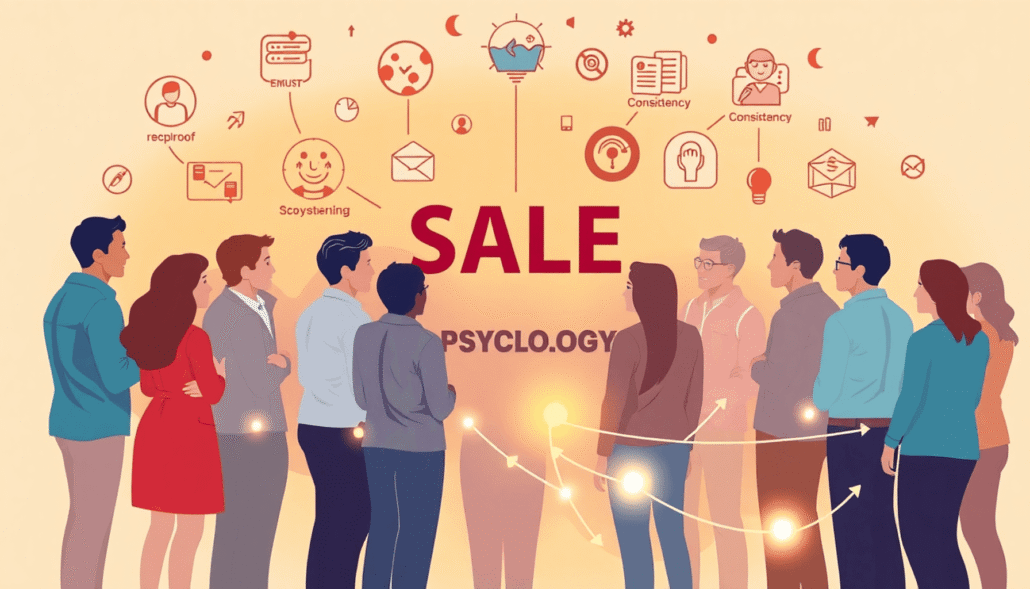
Sales psychology is the study of how human emotions, cognitive biases, and subconscious triggers influence buying behavior. Understanding these psychological drivers is essential for anyone involved in marketing and sales because it helps craft messages and strategies that resonate deeply with consumers. When you tap into sales psychology, you’re not just selling a product or service—you’re connecting with the underlying motivations that guide consumer decisions.
Research shows that approximately 95% of purchase decisions happen in the subconscious mind. This means most customers aren’t consciously weighing every feature or price point before making a choice. Instead, emotions, social cues, and instinctive responses steer their behavior long before logic steps in. Recognizing this opens up powerful opportunities to design marketing approaches that align with how people naturally make decisions.
This article explores sales psychology: 8 important marketing principles to use for more effective campaigns and stronger customer relationships. These principles are:
- Understanding the Role of Emotions in Sales Psychology
- Reciprocity – Giving Value Upfront
- Liking – Building Rapport and Common Ground
- Social Proof – Leveraging Peer Influence
- Storytelling – Creating Emotional Connections
- Consistency – Encouraging Small Commitments Leading to Larger Ones
- Scarcity – Creating Urgency Through Limited Availability
- Comparison – Highlighting Perceptual Contrasts
Each principle draws from proven psychological insights about consumer behavior—arming you with tools to influence purchasing decisions ethically and effectively.
For individuals or businesses looking to delve deeper into these concepts, Maatos offers a wealth of resources including comprehensive guides on course pricing models that convert, which can be instrumental in applying these sales psychology principles effectively. Additionally, their platform is rich with features designed to enhance your marketing efforts, details of which can be found here. Should you have any inquiries or require further assistance, don’t hesitate to reach out through their contact page.
1. Understanding the Role of Emotions in Sales Psychology
When it comes to consumer behavior, emotional connection plays a far more significant role than many realize. Research shows that emotions precede logical reasoning in buying decisions. In fact, the brain processes emotional stimuli faster than rational thought, meaning customers often make choices based on feelings before their minds start justifying those choices logically.
Why Emotions Lead
- Subconscious decisions dominate: About 95% of purchase decisions happen at a subconscious level, driven by emotions rather than conscious analysis.
- Emotions act as a shortcut: Instead of weighing every detail, customers rely on emotional cues to quickly decide what feels right or safe.
Common Emotional Motivators
Understanding the core motivations behind purchases helps tailor marketing messages effectively:
- Fear: Fear of missing out (FOMO), loss, or potential problems pushes buyers to act swiftly or seek solutions.
- Gain: Desire for improvement, benefit, or reward encourages investment and commitment.
- Prestige: Many consumers want to feel valued and admired; products promising status appeal strongly here.
- Security: Assurance and stability motivate people to choose trusted brands or products that reduce uncertainty.
Addressing these motivations openly helps create meaningful emotional connections. For example, acknowledging a customer’s fear about making the wrong choice builds empathy and trust.
Tackling Negative Emotions to Reduce Hesitation
Buyers often hesitate due to doubts and fears lurking beneath the surface. Failing to address these can stall sales even if the product is excellent.
- Identifying common objections early allows marketers to soften resistance through reassurance.
- Transparent communication about risks, guarantees, or support options decreases anxiety.
- Offering clear benefits that counterbalance fears shifts focus from what could go wrong to what will go right.
This emotional groundwork sets the stage for smoother decision-making. Customers feel understood and safe — essential feelings that nudge them closer toward purchase readiness.
The significance of emotions in sales psychology reveals why purely logical arguments rarely seal deals alone. Crafting marketing strategies with this knowledge opens doors for deeper engagement and lasting relationships with customers.
To further enhance this emotional connection and improve customer experience, businesses can explore various services such as personalized marketing strategies or customer support enhancements available at Maatos. Additionally, understanding pricing strategies can also help address the ‘security’ emotional motivator by providing clear and transparent cost structures. Finally, for those looking to kickstart their journey into understanding these aspects better, resources available at Maatos can be invaluable.
2. Reciprocity – Giving Value Upfront
Reciprocity is a powerful principle in sales psychology based on the natural human tendency to respond to kindness with kindness. When a business offers something valuable to potential customers without expecting anything in return, it triggers a psychological value exchange that encourages engagement and fosters goodwill.
Why reciprocity matters:
- People feel compelled to reciprocate when they receive something first.
- This response often happens subconsciously, influencing buying behavior positively.
- Reciprocity builds an emotional connection by showing genuine care and attention to customer needs.
Examples of reciprocity in marketing:
- Offering free samples or trial periods allows customers to experience the product’s benefits risk-free.
- Providing helpful content such as eBooks, how-to guides, or webinars establishes authority while delivering real value.
- Sending personalized gifts or exclusive discounts as a thank-you for joining an email list deepens customer loyalty early on.
Incorporating reciprocity into your email marketing strategy enhances customer engagement by creating a positive cycle where value given inspires value returned. It transforms transactional interactions into meaningful relationships, setting the stage for long-term success in sales efforts.
However, it’s crucial to integrate email marketing without breaking deliverability, ensuring your marketing emails reach the intended audience effectively. This approach does more than just spark initial interest—it cultivates trust. When prospects see that a company invests effort and generosity upfront, their willingness to purchase increases significantly. Trust formed through reciprocal acts reduces skepticism and buyer hesitation because customers feel respected rather than sold to.
3. Liking – Building Rapport and Common Ground
The liking principle is a cornerstone in sales psychology: people tend to buy from those they like and feel connected to. Establishing rapport with customers goes beyond just exchanging information—it’s about creating genuine relationships that foster trust and comfort.
Why Personal Connections Matter
Customers are not just buying a product or service; they’re choosing a relationship with your brand. When people feel understood and valued, their emotional engagement increases, making them more receptive to your message and more likely to become loyal buyers.
Key benefits of building personal connections include:
- Creating a sense of familiarity that reduces buyer resistance
- Enhancing customer retention by fostering loyalty
- Encouraging word-of-mouth referrals through positive experiences
Techniques for Creating Likeability
Building rapport involves simple yet effective strategies that align with authentic communication:
- Find Shared Interests: Discover common ground related to hobbies, values, or goals. For example, if you’re selling online courses on Maatos, mentioning your enthusiasm for lifelong learning can resonate deeply.
- Active Listening: Show genuine interest in customer needs and feedback. Reflecting back their concerns demonstrates empathy and respect.
- Personalized Communication: Use the customer’s name, tailor messages to their preferences, and avoid generic pitches. This approach makes interactions feel unique and caring.
- Positive Body Language (in face-to-face or video interactions): Smiling, maintaining eye contact, and open gestures contribute to warmth and trustworthiness.
Humanizing the Brand
Transforming your brand from a faceless entity into something relatable bridges the gap between business and consumer. Humanization creates emotional affinity, making your audience more inclined to engage.
Ways to humanize your brand include:
- Sharing behind-the-scenes stories about your team or company journey
- Highlighting real customer experiences with testimonials or case studies
- Using conversational tone in marketing materials rather than corporate jargon
- Showcasing values or causes you support that align with your audience’s beliefs
When customers perceive your brand as approachable and sincere, it nurtures an environment where buying decisions feel natural instead of pressured. This connection amplifies the effectiveness of other sales psychology principles like reciprocity and social proof by reinforcing trust at every stage.
By focusing on liking through rapport building and brand humanization, marketers can create meaningful interactions that encourage long-term relationships—essential for sustainable business growth.
4. Social Proof – Leveraging Peer Influence
When making purchasing decisions, people often look to the experiences of others for guidance. This phenomenon, known as social proof, taps into the natural human tendency to rely on peer recommendations and collective behavior to validate choices. It’s a powerful psychological trigger because it reduces uncertainty and builds confidence in decision-making.
Why Social Proof Matters
Social proof matters because it aligns with human behavior and psychology. Here are three reasons why social proof is effective:
- People trust people: Seeing that others have had positive experiences creates a sense of reliability.
- Reduces perceived risk: If a product or service is popular and well-reviewed, buyers feel safer investing their time and money.
- Creates a bandwagon effect: When many customers endorse something, new buyers want to join in rather than miss out.
Forms of Social Proof in Marketing
Incorporating social proof effectively means showcasing real-world evidence that your offering delivers value. Common ways include:
- Testimonials: Genuine quotes from satisfied customers highlight specific benefits and emotional responses, painting a vivid picture of success.
- Case Studies: Detailed stories demonstrate how your product or service solved particular problems, adding credibility through narrative depth.
- Online Reviews: Aggregated ratings and feedback on platforms like Google, Yelp, or industry-specific sites give prospects transparent insights from multiple users.
- Trust Signals: Badges such as “Best Seller,” “Top Rated,” or endorsements by recognized institutions further reassure buyers.
Impact on Buyer Behavior
Social proof directly influences the subconscious part of decision-making by validating choices emotionally before rational evaluation steps in. It helps in:
- Alleviating hesitation caused by fear of making a wrong purchase
- Speeding up the buying process as confidence grows
- Encouraging word-of-mouth referrals as customers share positive experiences
Imagine you’re browsing an online course platform like Maatos. Seeing testimonials from happy learners who improved their skills or landed new jobs makes you more inclined to enroll. User reviews act as a mirror reflecting what you can expect, turning abstract promises into relatable results.
Embedding social proof throughout your marketing—on landing pages, emails, product descriptions—turns cold traffic into warm leads ready to take action. It’s one of the most accessible yet effective ways to build trust without heavy persuasion.
5. Storytelling – Creating Emotional Connections
Stories have a unique power in sales psychology because they directly tap into emotional resonance. Unlike raw facts or statistics, storytelling in marketing paints a vivid picture that customers can relate to on a personal level. This emotional engagement goes beyond the surface, creating a memorable experience that facts alone often fail to deliver.
How Authentic Stories Engage Customers
Authentic stories invite customers into the brand’s world, allowing them to see not just what a product does, but why it matters. When people hear genuine narratives about challenges overcome or dreams realized through a product or service, they connect emotionally. This connection fuels trust building because authenticity signals honesty and transparency—key ingredients for fostering long-term relationships.
Think about the difference between:
- Listing features of an online course platform.
- Sharing a story of an instructor who transformed their teaching business with the platform, reaching thousands of new students while feeling confident and supported.
The latter sticks with people because it sparks empathy and imagination. Such narratives not only showcase the platform’s features but also highlight important metrics like student engagement, which are crucial in evaluating an online course’s success.
Examples of Effective Storytelling That Build Trust and Brand Loyalty
Brands that master storytelling often become household names by humanizing their products:
- Nike highlights athletes’ struggles and triumphs, inspiring customers to believe in their own potential.
- Airbnb shares stories from hosts and travelers that emphasize community and belonging.
- A course creator using Maatos might tell the journey of someone who started with zero technical skills but built a thriving online education business thanks to easy-to-use tools.
These narratives do more than promote—they create advocates. Customers identify with these stories, feel understood, and develop loyalty rooted in shared values.
Integrating Storytelling into Product Descriptions and Marketing Materials
Storytelling doesn’t require lengthy novels. Even short snippets woven into product descriptions or social media posts can deepen engagement:
- Start product pages with a customer success anecdote or problem-solution scenario.
- Use blog posts to profile real users’ experiences or behind-the-scenes brand stories.
- Incorporate quotes and testimonials that tell mini-stories rather than generic praise.
Visual storytelling also enhances this effect: videos showing real people using your product naturally amplify emotional impact.
When executed thoughtfully, storytelling transforms marketing materials from mere information dumps into compelling narratives that invite customers to become part of your brand’s ongoing story.
6. Consistency – Encouraging Small Commitments Leading to Larger Ones
The consistency principle plays a powerful role in consumer psychology. Humans have a natural desire to appear consistent in their thoughts, beliefs, and actions. Once someone makes a decision or takes a small step in one direction, they are more likely to follow through with related behaviors that align with that initial commitment.
This is the foundation of the foot-in-the-door technique — starting with a small, easy request that customers are comfortable saying “yes” to. That initial agreement creates an internal drive to maintain consistency, making them more open to larger requests later on.
How It Works in Sales
- Small initial commitments: Examples include signing up for a newsletter, downloading a free eBook, or trying out a free trial.
- Building momentum: Each positive action reinforces the customer’s engagement and trust.
- Progression to bigger purchases: After these smaller steps, customers are psychologically primed to consider higher-value products or services.
Practical Ways to Implement Consistency in Your Sales Funnel
- Micro-conversions: Break down your sales process into small wins. For instance, encourage visitors to take simple actions like clicking a video, answering a survey, or joining a community.
- Gradual onboarding: Use email sequences or tutorials that involve incremental participation before pitching premium offerings.
- Feedback loops: Request customer input or reviews early on, which increases their sense of involvement and commitment.
- Trial-to-purchase paths: Offer limited-time free trials that smoothly transition into paid subscriptions by reminding users of their progress and benefits gained.
- Personalized follow-ups: Reference previous interactions and purchases when suggesting next steps, reinforcing consistency between past behavior and future choices.
These methods leverage the consistency principle effectively within marketing strategies by creating an easy path from curiosity to loyalty without overwhelming potential buyers upfront.
Integrating this principle aligns well with other sales psychology tactics such as reciprocity and social proof—helping you build lasting relationships while guiding customers naturally toward meaningful decisions.
7. Scarcity – Creating Urgency Through Limited Availability
The scarcity effect taps into a deep-rooted psychological trigger: when something feels rare or in short supply, its perceived value instantly rises. This phenomenon accelerates decision-making by stirring urgency and activating the fear of missing out (FOMO). Customers don’t want to lose an opportunity that seems fleeting, which nudges them closer to action.
Why Scarcity Works
Scarcity works because it:
- Suggests exclusivity: Limited availability implies that something is unique or special.
- Overrides overthinking: Emotional responses triggered by scarcity can bypass analytical thinking.
- Increases desire: The fear of others getting something you want creates a sense of competition.
This is why urgency marketing often uses countdowns, stock notifications, or “only X left” messages.
Real-Life Examples of Scarcity in Action
Here are some real-life examples of how businesses use scarcity effectively:
- Limited-time offers: A flash sale that lasts 24 hours compels buyers to act quickly rather than postponing a decision.
- Exclusive deals: Invitations to members-only sales or first access to new products enhance appeal by making customers feel part of an elite group.
- Limited stock alerts: Showing how few items remain can push hesitant buyers off the fence.
These tactics are powerful—but they must be handled carefully.
Balancing Scarcity with Brand Trust
Using scarcity too aggressively or dishonestly can backfire, causing customers to doubt your credibility or feel manipulated. For example:
- Artificially inflating scarcity by constantly running “limited” promotions may erode trust over time.
- Overusing urgent language without delivering real value makes customers skeptical.
To maintain authenticity while leveraging scarcity:
- Be truthful about availability and deadlines.
- Combine scarcity with genuine benefits rather than pressure tactics.
- Use scarcity strategically in combination with other principles like reciprocity or social proof for a more natural influence.
Incorporating scarcity thoughtfully encourages faster decisions while preserving positive customer relationships and long-term brand loyalty.
8. Comparison – Highlighting Perceptual Contrasts
Comparison marketing taps into how people perceive value by placing options side-by-side, allowing customers to make clearer, more confident decisions. When buyers see multiple products or services compared directly, it sharpens their understanding of what each option offers and how it fits their needs.
How Side-by-Side Presentation Clarifies Value
Humans naturally evaluate choices relative to one another rather than in isolation. Showing two or more options together creates a frame of reference. This makes differences in features, benefits, or price more salient and easier to process. A customer deciding between course platforms might compare pricing tiers, included features, or support levels directly, which quickly reveals the best fit.
Techniques for Effective Product/Service Comparison
- Feature Matrices: Display key attributes across options in tables for quick scanning.
- Pros and Cons Lists: Outline strengths and weaknesses side by side to help buyers weigh trade-offs.
- Visual Contrast: Use color coding or icons to highlight standout features or value points.
- Price Anchoring: Position a premium option next to standard ones so the value of mid-tier plans becomes evident.
- Scenario-Based Comparisons: Match products with specific customer needs or use cases to guide relevance.
Presenting comparisons clearly reduces confusion and eases cognitive load, making it less likely that decision fatigue will stall the purchase process.
Using Contrast to Guide Buyer Choices
Contrast isn’t just about showing differences—it’s a powerful tool for shaping perception and nudging buyers toward preferred options. For example:
- Placing a high-priced but feature-rich product next to a basic version can make the mid-range offering appear like a smart compromise.
- Emphasizing unique benefits exclusive to one product helps it stand out as the better solution.
- Highlighting savings when upgrading between tiers draws attention to added value.
The psychological effect of option framing means customers often interpret choices differently depending on how they are presented. Strategically crafted comparisons leverage this by making certain options look more attractive without overtly pushing sales.
Comparison marketing enriches value perception through clear contrasts and thoughtful framing. This principle supports informed decisions that feel logical and satisfying — an important step before customers seek rational justification for their emotional preferences. Whether it’s choosing between different done-for-you services or selecting a product, comparison marketing plays a vital role in guiding those decisions.
9. Logical Justification Following Emotional Desire
Purchase decisions often begin with emotions, but they rarely end there. After an initial emotional impulse sparks interest or desire, customers instinctively look for logical reasons to justify their choice. This process, known as post-purchase justification, helps solidify confidence in the decision and reduces any internal conflict that may arise.
“People don’t buy products; they buy reasons to justify their feelings.” – A core insight in sales psychology.
Why Logical Justification Matters
- Emotional vs logical buying drivers work together. While emotions ignite the spark, logic keeps it burning by offering rational support.
- Customers want reassurance that their purchase is sensible and valuable—not just impulsive.
- Without this rational support, buyer’s remorse can creep in, leading to dissatisfaction or even returns.
How to Provide Effective Justification
Offering clear, credible information after an emotional appeal creates a balanced buying experience. Consider:
- Facts and data: Product specifications, performance metrics, and benefits quantified with numbers deliver concrete evidence.
- Third-party validation: Certifications, expert endorsements, or awards add authority and trustworthiness.
- Transparent comparisons: Highlighting how your product stacks up against alternatives reassures customers they’ve made a wise choice.
- Detailed FAQs and guarantees: Addressing concerns upfront dispels doubts that might otherwise undermine confidence.
Enhancing Satisfaction Through Justification
When customers feel informed and supported by logical reasoning:
- They experience greater post-purchase satisfaction.
- The likelihood of buyer’s remorse diminishes significantly.
- Repeat purchases and brand loyalty are more easily nurtured.
The balance between emotional appeal and logical validation is a powerful dynamic within the framework of Sales psychology: 8 important marketing principles to use. It ensures that purchasing feels good emotionally while also making sense intellectually—an essential combination for lasting customer relationships.
Integrating Sales Psychology Principles into Your Marketing Strategy
Creating a cohesive marketing strategy means weaving together the eight sales psychology principles into a seamless experience that resonates deeply with your audience. This integration transforms isolated tactics into a powerful system designed to boost customer engagement and drive sales.
Combining the Eight Principles Cohesively
Each principle—from emotional triggers to scarcity—plays a unique role in influencing buyer behavior. When integrated thoughtfully, they reinforce one another, creating momentum throughout the customer journey:
- Start with emotional connection: Use storytelling and rapport-building (liking) to draw customers in.
- Provide upfront value: Reciprocity encourages trust and openness.
- Show social proof: Testimonials and reviews validate emotional interest.
- Facilitate small commitments: Consistency nudges customers toward bigger decisions.
- Create urgency through scarcity: Limited offers push for timely action.
- Offer clear comparisons: Help customers see the value clearly.
- Support decisions logically: Facts and data provide reassurance post-decision.
This layered approach ensures that prospects feel understood, valued, and confident every step of the way.
Credibility Through Facts and Testimonials
Trust anchors every successful sale. Without credibility, even well-crafted emotional appeals can fall flat. Incorporate:
- Verified testimonials: Real customer stories build authenticity.
- Case studies with data: Concrete results back up claims.
- Transparent product information: Clear specs and benefits reduce doubts.
When customers see consistent evidence supporting your promises, hesitation diminishes, accelerating purchase decisions. This blend of emotional appeal and factual support is essential for long-term brand loyalty.
Managing Negotiation by Separating People from Problems
Negotiations often become tense when emotions blur the real issues. Applying sales psychology integration here means:
- Focusing on mutual gains rather than personal positions.
- Treating conflicts as shared problems to solve together, not battles to win.
- Listening actively to understand underlying motivations behind objections.
- Using empathy to maintain rapport even during disagreements.
This mindset shifts negotiations from confrontational standoffs to cooperative dialogues, increasing the chances of reaching agreements that satisfy both parties. It also preserves relationships for future interactions.
Implementing these strategies within your marketing efforts creates a customer-centric environment where engagement thrives. Combining emotional resonance with logical clarity invites buyers into a journey that’s both compelling and trustworthy—a hallmark of effective sales psychology integration.
Conclusion
Mastering sales psychology: 8 important marketing principles to use can transform the way you connect with your customers and elevate your business outcomes. Applying these principles leads to:
- Improved engagement: By tapping into emotions, building rapport, and telling compelling stories, you invite customers into meaningful interactions rather than one-sided sales pitches.
- Stronger customer relationships: Trust grows when reciprocity, social proof, and consistency are thoughtfully woven into every touchpoint. This foundation encourages loyalty and repeat business.
- Increased sales effectiveness: Scarcity and comparison techniques create clarity and urgency, guiding buyers smoothly from interest to purchase without pressure or confusion.
Taking these insights beyond theory into practice requires intentional effort but pays dividends in marketing success. Each principle complements the others, forming a cohesive strategy that respects both emotional desires and logical justifications buyers seek.
Embracing these concepts encourages not just transactions but connections—the heart of lasting customer relationships. Your next step could be as simple as integrating one or two principles into your messaging or sales funnel and observing the difference in response.
The power of sales psychology lies in understanding people first. When you prioritize their experience, your marketing becomes more authentic and effective. Watch how this approach unlocks new opportunities for growth and builds a brand that customers trust time after time.