
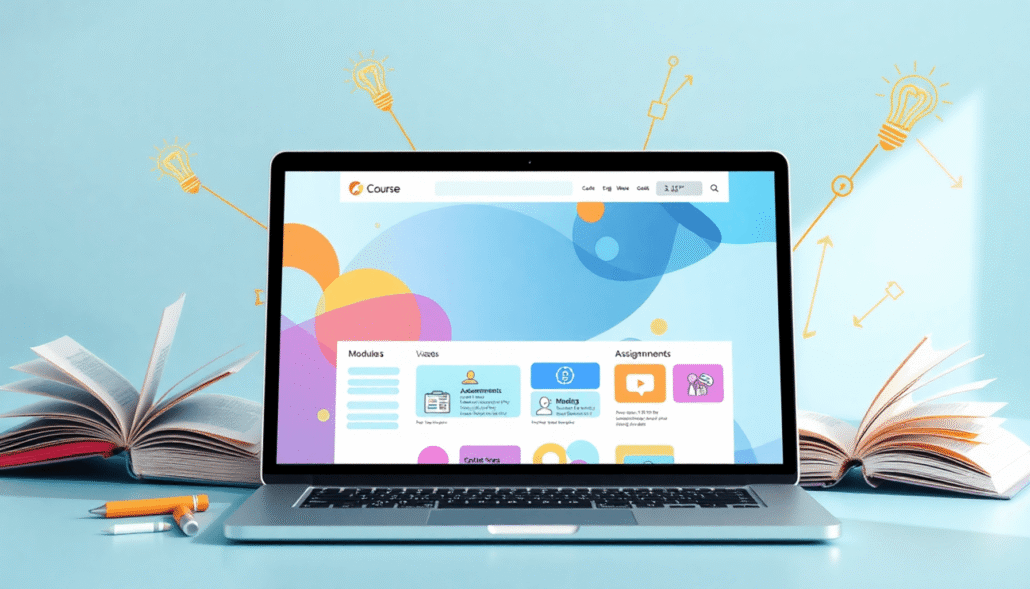
A well-structured course website plays a crucial role in boosting student engagement metrics that matter, ultimately driving learning success. When students can easily find what they need and navigate content smoothly, their focus shifts from struggling with the platform to absorbing the material. This creates an environment where learning thrives.
Every online course website depends on a set of essential pages that serve as the backbone for organization and content delivery. These pages are not just placeholders; they guide students through the curriculum, provide clear expectations, centralize communication, and house all necessary resources. Clear navigation and thoughtfully arranged content reduce confusion and cognitive load, helping learners stay on track.
Key elements of these essential pages include:
- Course overview and announcements
- Structured modules or chapters
- Assignment listings with deadlines
- Syllabus outlining objectives and policies
- Media-rich materials supporting varied learning styles
- Tools for live interaction and recorded sessions
Building such a comprehensive site might feel overwhelming without the right tools. This is where Maatos comes in. As an e-learning platform designed specifically for creators and educators, Maatos offers intuitive drag-and-drop builders, customizable menus, seamless multimedia integration, and powerful LMS capabilities. It allows you to craft a branded, optimized course website effortlessly—ensuring your students have everything they need at their fingertips.
Furthermore, Maatos provides various course pricing models that convert, making it easier for you to monetize your online courses effectively. If you’re looking for a hassle-free experience in setting up your e-learning platform, Maatos also offers a done-for-you service that takes care of all the heavy lifting.
An important aspect of enhancing the student experience on your course website is implementing an effective onboarding email sequence for new students. This strategic series of emails is designed to guide and support students as they begin their academic journey, playing a crucial role in introducing them to the course structure and resources available.
In today’s digital age, ensuring your course website has a mobile-friendly design is essential. The shift toward mobile learning has transformed how students access educational content. A mobile-friendly course website is no longer optional; it’s essential as students increasingly rely on smartphones and tablets for their learning needs.
For more information on their pricing, you can visit their website.
1. Home Page: The Gateway to Your Course Website
The course website home page is the main landing page for courses. It creates the first impression and sets the tone for student engagement. Students often form their initial understanding of the course from this page, making it crucial to design it with clarity and accessibility in mind.
Key Elements to Include on Your Home Page
Here are some important things you should include on your home page:
- Recent announcements: Keep students informed about updates, deadlines, or changes by prominently displaying announcements. This helps maintain communication flow and reduces confusion.
- Course highlights: Showcase key themes or objectives, upcoming important events, or featured resources to orient students quickly.
- Instructor contact info: Provide clear contact details such as email address, phone number, or preferred communication channels like the one available on our contact page. This builds trust and encourages student interaction.
- Office hours: Share availability times for one-on-one support or consultations. Transparent office hours help students plan their questions and meetings effectively.
- Class schedule: Display the weekly timetable with dates, topics, and meeting formats (in-person or online). A visible schedule aids time management and preparation.
Linking Strategy for Seamless Navigation
A well-crafted home page serves as a hub linking to other essential course pages:
- Direct links to the syllabus, assignments, and modules reduce search time.
- Navigation buttons for media resources or discussion forums keep related content a click away.
- Grouping links logically (e.g., “Course Materials,” “Student Support”) streamlines user paths.
Students benefit from this intuitive structure because it lowers cognitive load—the mental effort required to find information—allowing them to focus more on learning rather than navigating.
Simplifying Design with Maatos’s Drag-and-Drop Builder
Creating an engaging landing page does not require advanced technical skills thanks to Maatos’s drag-and-drop builder. This tool offers:
- Pre-designed templates tailored for course websites that you can customize easily.
- Widgets for announcements, schedules, and contact forms that you can position freely.
- Real-time preview so you see exactly how your home page will appear on different devices.
This flexibility enables educators to build a professional-looking home page quickly without coding knowledge. The result is a polished entry point that enhances student experience while saving valuable setup time.
2. Organizing Content with a Clear Course Structure
A well-defined course structure organization is crucial for helping students navigate the curriculum without feeling overwhelmed. Breaking down the material into manageable segments—whether by weeks, topics, or chapters—allows learners to focus on one section at a time. This reduces cognitive load and improves information retention.
Weekly Modules
One of the most common and effective ways to organize content is through weekly modules. Each week features all the relevant materials such as lectures, readings, assignments, and quizzes grouped together. This approach mirrors a traditional classroom timeline, making it intuitive for students to follow.
- Week 1: Introduction and foundational concepts
- Week 2: Core theories and applications
- Week 3: Case studies and practical exercises
This method provides a predictable rhythm, helping students plan their study time effectively.
Topic-Based Navigation
When course content is better grouped by themes or subjects rather than strict timelines, topic-based navigation works best. Dividing the syllabus into clear thematic units lets students dive deeper into each subject area independently.
For example:
- Module 1: Basics of Marketing
- Module 2: Consumer Behavior
- Module 3: Digital Marketing Strategies
Topic-based structures are particularly useful for self-paced or asynchronous courses where learners might want to revisit specific areas as needed.
Enhancing Comprehension and Flow
Effective course structures maintain a logical progression that builds upon previously covered material. Use these techniques to improve flow:
- Start each module with learning objectives to set clear expectations.
- Group related resources such as videos, readings, and discussions together.
- Include summary or reflection activities at the end of each module.
Consistency across modules reinforces familiarity. Label each section clearly using the same format (e.g., “Week 1: Intro,” “Module 3: Advanced Concepts”). Consistent formatting prevents confusion and keeps students oriented throughout the course.
Tips for Maintaining Consistency
Consistency strengthens usability throughout your course structure pages:
- Use uniform naming conventions for weeks or topics.
- Apply consistent layout styles—headings, bullet points, icons—in every module page.
- Keep navigation links in the same place across all pages.
- Regularly update content following the same structural template to avoid disjointed experiences.
Platforms like Maatos allow you to replicate module templates effortlessly, ensuring that each new section fits seamlessly into your overall course architecture. This structured approach supports student engagement by making it easier to locate materials and understand how each part connects within the broader curriculum.
3. Designing an Intuitive Course Navigation Menu
A well-designed course navigation menu is the backbone of your course website, guiding students effortlessly through the learning journey. It should provide quick access to the most critical areas, reducing frustration and helping students focus on studying rather than searching for resources.
Essential Tools and Links to Include
Your navigation menu must feature links that students will use daily and throughout the semester. Key components include:
- Assignments: Direct access to all assignments with deadlines and submission details.
- Syllabus: A clear path to course objectives, grading criteria, policies, and schedules.
- Modules or Content Pages: Organized units or weeks containing lectures, readings, and multimedia content.
- Announcements: Updates or reminders to keep students informed.
- Discussion Forums or Communication Tools: Spaces for interaction and collaboration.
- Resources: Supplementary materials like PDFs, external links, or software downloads.
Including these links ensures students can locate important information without hassle.
Reducing Clutter by Hiding Irrelevant Tools
A cluttered navigation menu can overwhelm students and detract from the learning experience. It’s crucial to hide or remove tools that are not relevant to your specific course setup. For example:
- If your course does not require group projects, disable group management tools.
- Hide calendar features if you prefer using a centralized assignments page for deadlines.
- Remove third-party integrations that aren’t in use.
This practice sharpens focus on what truly matters for your course and creates a cleaner interface that enhances user experience.
Customizable Menus Tailored to Educators’ Needs with Maatos
Platforms like Maatos empower educators by offering highly customizable navigation menus. You gain control over:
- Menu structure: Arrange links in a logical order fitting your teaching style.
- Visibility settings: Choose which tools appear for different user roles (students vs. teaching assistants).
- Quick add/remove options: Modify menus easily as your course evolves without needing technical skills.
Maatos’s drag-and-drop interface makes it simple to build an accessible menu that matches your course’s unique flow. This flexibility supports better engagement by aligning site navigation with how you want students to interact with content.
Designing an intuitive navigation menu is a foundational step in creating effective course website essential pages that facilitate seamless movement through learning materials while minimizing cognitive load on students.
4. Delivering Learning Materials Effectively with Modules or Content Pages
Organizing your course modules or content delivery pages is crucial for guiding students through the learning journey without confusion. Grouping assignments, readings, and lectures into clearly defined units helps students understand what to focus on each week or topic.
Structuring Course Modules for Clarity
- Logical grouping: Arrange materials by themes, weeks, or skill levels. For example, Week 1 might include an introductory lecture video, a reading PDF, and a short quiz—all accessible within the same module.
- Consistent format: Keep each module uniform in layout. This consistency reduces cognitive load and helps students anticipate how to find materials.
- Progress indicators: Use checklists or progress bars within modules to motivate students and provide a clear sense of advancement through the course.
Presenting Multimedia and Text Resources Together
Diverse learners benefit from varied content formats. Combining text with multimedia supports different learning preferences:
- Embed videos alongside lecture notes or transcripts to reinforce concepts.
- Include audio files for podcasts or interviews relevant to the topic.
- Use image galleries or infographics to summarize complex information visually.
Balancing multimedia with downloadable PDFs or slides ensures students can review materials offline or at their own pace.
Leveraging Maatos’s LMS Features
Maatos simplifies managing e-learning materials by supporting multiple file types and interactive content uploads within modules. Their LMS features allow you to:
- Upload videos directly without external hosting—students stream smoothly without leaving the platform.
- Add PDFs, Word documents, and slide decks easily for quick access.
- Create quizzes linked to specific modules, enabling immediate assessment and feedback.
The drag-and-drop interface lets you arrange content intuitively, saving time while maintaining professional course pages.
Efficiently organized course modules improve engagement by making it easy for students to find resources in one place.
Using Maatos’s tools to bundle all essential materials within well-designed content pages helps you deliver a seamless learning experience.
5. Centralizing Student Tasks and Deadlines with an Assignments Page
A well-designed assignments page acts as a central hub where students can find all their tasks organized clearly, helping to keep deadlines and requirements front and center. This page should list every assignment with:
- Clear due dates prominently displayed to prevent confusion
- Detailed submission instructions to guide students on formatting, file types, or platforms for turn-in
- Links to relevant resources or rubrics that support successful completion
This focused approach to assignments page design reduces the risk of missed deadlines and incomplete submissions by providing everything in one accessible location.
Benefits of Centralized Assignment Management
Centralizing assignments benefits both students and instructors through:
- Improved organization: Students no longer need to hunt through emails or scattered course materials. They can track their progress easily and plan study time effectively.
- Streamlined grading: Instructors access submissions faster and manage grading workflows without switching between multiple tools or platforms.
- Consistent communication: Updates about extensions, grading criteria changes, or feedback appear directly alongside assignment details, minimizing miscommunication.
Enhancing Accessibility with Maatos Integration
Maatos strengthens assignment management by integrating payment processing and student management features directly into the assignments workflow. This integration offers unique advantages such as:
- Seamless access control: Only enrolled or paid students gain entry to submit assignments, protecting course integrity.
- Automated notifications: Students receive timely reminders about upcoming deadlines or missing submissions, improving compliance.
- Unified dashboard: Instructors monitor student progress alongside payments and enrollment status, simplifying administrative overhead.
The platform’s ability to combine these elements creates a robust submission instructions page that keeps both sides aligned on expectations and timelines.
An effective assignments page is a cornerstone for maintaining momentum in online courses. It ensures students always know what needs doing, when it’s due, and how to complete tasks correctly—all essential for smooth course delivery.
6. Setting Expectations Clearly from the Start with a Syllabus Page
A syllabus page is an essential part of any course website. It sets the tone for your entire course, clearly outlining what students can expect and what you expect from them. This page acts as a contract and guide, helping reduce confusion and keep everyone aligned.
What to Include in Your Syllabus Page Online Courses
Your syllabus page should cover critical elements such as:
- Course Objectives: Define the learning goals so students understand the skills and knowledge they will gain.
- Course Policies Webpage: Detail attendance rules, late submission penalties, academic integrity guidelines, and communication expectations.
- Grading Criteria Online Syllabus: Explain how assessments are weighted, grading scales, and any opportunities for extra credit or grade revisions.
- Schedules: Provide an overview of important dates—assignment deadlines, exam periods, holidays—and how the course timeline unfolds.
Clear articulation of these components ensures students know exactly what is expected from day one.
Making the Syllabus Easy to Find and Reference
The accessibility of your syllabus matters as much as its content. Students should be able to locate this page quickly at any point during the course. Consider these strategies:
- Pin the syllabus link prominently in your site’s main navigation menu.
- Include direct links to the syllabus on your home page and within relevant module pages.
- Use a fixed sidebar or quick-access toolbar if your platform supports it.
This constant visibility encourages students to revisit policies and schedules regularly without frustration.
Keeping Your Syllabus Updated and Accessible with Maatos
Changes happen—deadlines shift, policies evolve, or additional resources might be added. Maatos’s platform tools simplify maintaining an up-to-date syllabus:
- Edit content in real-time with a user-friendly interface that requires no coding skills.
- Upload updated PDF versions alongside editable web text for multiple access options.
- Utilize notification features to alert students automatically when syllabus updates occur.
- Embed multimedia elements like video welcome messages or audio explanations to enhance understanding.
These capabilities help you keep your syllabus dynamic rather than static, fostering transparency throughout the course duration.
7. Enhancing Learning Experience through Media and Document Uploads
Multimedia content in courses transforms traditional learning into an engaging, dynamic experience. Offering a combination of videos, audio files, PDFs, and slides caters to diverse learning preferences. Some students absorb information better through visual or auditory means, while others prefer reading text-based materials. Providing multiple formats ensures that your course reaches every type of learner effectively.
Why Multimedia Matters
- Videos allow you to demonstrate concepts, provide lectures, or showcase real-world examples.
- Audio files support learners who benefit from listening or need on-the-go access.
- PDFs and slides serve as reference materials that students can annotate or revisit anytime.
This variety reduces cognitive overload by offering information in manageable segments tailored to different senses.
Streaming Educational Videos with Ease
Platforms like Maatos integrate streaming tools that deliver seamless playback of educational videos. This integration eliminates buffering issues and compatibility problems often encountered when using external services. Your students experience smooth access to video lessons directly within the course environment without needing extra downloads or plugins.
Key benefits include:
- Adaptive streaming adjusts video quality based on internet speed
- Embedding options keep videos within relevant modules or pages
- Secure hosting protects intellectual property and controls access
Efficient Organization of Media Files
A cluttered media library can confuse students and disrupt the learning flow. Organizing media files thoughtfully within content pages or modules enhances usability:
- Group related multimedia assets together under specific topics, weeks, or units.
- Label each file clearly with descriptive titles indicating format and content focus (e.g., Week 3 – Lecture Video, Chapter 5 – Reading PDF).
- Use folders or submodules when possible to separate different types of media like videos versus readings.
- Prioritize placing critical materials upfront for easy discovery.
Maatos’s content management features help you upload and arrange these assets intuitively without technical hassle. Drag-and-drop interfaces allow quick placement of videos, audio clips, and documents exactly where they belong in your course flow.
Document Uploads in LMS Environments
Uploading documents such as syllabi, assignment sheets, lecture notes, and supplementary readings remains essential. The LMS must support multiple file types (PDFs, Word docs, PowerPoint presentations) while ensuring fast loading times and mobile accessibility.
With Maatos:
- Upload large files without size restrictions
- Provide downloadable options alongside online viewing
- Organize documents within designated resource sections for streamlined access
These capabilities encourage students to engage with course materials regularly and conveniently.
Delivering a well-rounded set of multimedia content combined with thorough document uploads enriches the learning environment significantly. Students gain flexibility in how they consume educational resources while navigating a clean, structured interface designed for clarity and ease of use.
8. Facilitating Live Interactions with Online Meeting Scheduling Integration
Live session scheduling LMS features are essential for fostering real-time engagement and direct communication between instructors and students. Integrating tools like Zoom within your course website enables you to set up live lectures, discussions, or Q&A sessions effortlessly.
Key benefits of embedding live meeting links include:
- Seamless access: Students can join sessions directly from the course platform without switching apps or searching for links.
- Automated reminders: Scheduled sessions trigger notifications, reducing no-shows and improving participation rates.
- Interactive capabilities: Use chat, breakout rooms, polls, and screen sharing during live classes to keep learners involved.
For students who cannot attend live sessions, recorded lectures become invaluable. Platforms such as Panopto or Kaltura Capture specialize in capturing high-quality recordings that can be uploaded for asynchronous access.
Advantages of offering recorded sessions:
- Flexibility: Learners set their own pace by revisiting content anytime.
- Review opportunities: Complex topics can be reviewed multiple times to aid comprehension.
- Inclusivity: Accommodates different time zones, schedules, and learning preferences.
Maatos enhances this process by allowing instructors to embed both live meeting links and recorded videos securely within the course environment. Its infrastructure supports:
- Easy insertion of Zoom or other conferencing links directly into relevant pages or modules.
- Secure storage of recorded sessions with controlled access rights to protect course content.
- Integration with calendar and notification systems to keep students informed about upcoming live events and newly available recordings.
This approach consolidates all synchronous and asynchronous interaction points in one branded course site, simplifying navigation and boosting student engagement. You no longer need to juggle multiple platforms; Maatos centralizes communication channels while maintaining a professional and organized learning experience.
Conclusion
Building a course website that truly supports student engagement and learning success requires attention to the essential pages outlined here. Each page plays a crucial role in creating an intuitive, navigable, and resource-rich environment for your learners.
Key takeaways to keep in mind when you build a course website:
- The home page acts as your course’s welcoming gateway, setting the tone and guiding students efficiently.
- Organizing content clearly by weeks, topics, or chapters reduces cognitive load and enhances comprehension.
- A well-designed navigation menu keeps students focused by highlighting relevant tools and hiding distractions.
- Modules or content pages deliver materials logically, combining multimedia and text for diverse learning preferences.
- Centralizing assignments with clear deadlines simplifies task management for both instructors and students.
- A detailed syllabus page sets expectations transparently, helping students stay on track.
- Uploading media files alongside documents caters to different learning styles and improves accessibility.
- Integrating live meeting scheduling with recording capabilities ensures interactive and flexible learning experiences.
Platforms like Maatos empower you to create online courses platform with ease by providing all these features within one comprehensive system. Maatos’s drag-and-drop builder, customizable menus, seamless media uploads, and integrated scheduling tools take the complexity out of course website creation. This lets you focus on delivering quality education while maintaining a polished, branded presence online.
You don’t have to reinvent the wheel or juggle multiple tools. Use Maatos to:
- Quickly launch your course site with professionally designed templates
- Manage student engagement through streamlined LMS features
- Keep your content organized and accessible throughout the semester
Explore Maatos.com to discover how you can start building your ideal course website today. Whether you’re just beginning or looking to upgrade your current setup, Maatos offers powerful solutions tailored for creators and educators ready to make a lasting impact.
Taking control of your course website essential pages is the first step toward delivering memorable, effective online learning experiences.